
Viticulture and olive growing
Viticulture and Olive Growing in Morano Calabro: Tradition and Agricultural Techniques
Viticulture and olive growing have always played a central role in the agricultural economy of Morano Calabro. These traditional practices, passed down through generations, represent a valuable cultural and productive heritage.
Viticulture: Traditional Techniques and Processes
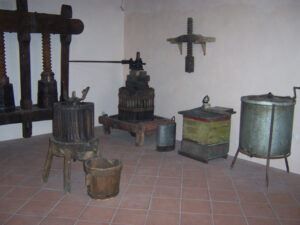
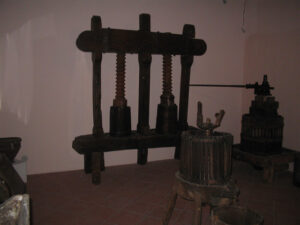
Viticulture in the Morano countryside was not significantly different from that practiced in other regions. The grape pressing process was carried out by stomping barefoot, an ancient method that ensured a gentle crushing of the grapes. This operation took place in wooden vats or masonry basins, often located in small structures within the vineyards. This setup reduced transportation costs and, possibly, helped avoid certain consumption taxes.
Olive Growing: Harvesting and Olive Milling
As with viticulture, olive growing in Morano followed time-honored methods. The olive harvest was, and in some cases still is, mainly carried out by women. The milling process took place in animal-powered oil mills, where donkeys and mules, blindfolded, turned a stone mill inside a masonry basin.
In the 19th century, Morano Calabro had nineteen oil mills, owned by the wealthiest families in the town. This widespread presence highlights the historical importance of olive growing in the local economy.
Crop Rotation: Agricultural Cycles and Cultivation Practices
The crop rotations practiced in Morano until a few decades ago followed a two- or three-year cycle:
- Wheat and rye, the dominant cereal crops, were alternated with corn and potatoes.
- Corn was often grown alongside beans, a practice still in use today.
- In irrigated lands, the primary renewal crop was corn, while in other areas, broad beans and other grain legumes were used.
Forage legumes were rare or nonexistent. Artificial meadows only appeared in Morano’s countryside after the arrival of Marche settlers.
Irrigation and Fertilization: Ancient and Modern Techniques
Irrigation, which generally takes place between May and October, was (and still is, in some cases) mainly done through imbibition, a method ideal for moisturizing and fertilizing irrigation. In the past, this process was carried out barefoot and could take place even at night, following the schedules set by local water usage regulations.
Soil fertilization relied almost entirely on fallow periods and manuring. Sheep manure was the primary fertilizer for cereal crops and olive groves. The use of chemical fertilizers remained minimal until after World War II.